
🇺🇸 EP15 – Artificial intelligence in education: personalized learning and ethical challenges

EnergyChannel Special Series | Artificial Intelligence: Everything We Need to Know
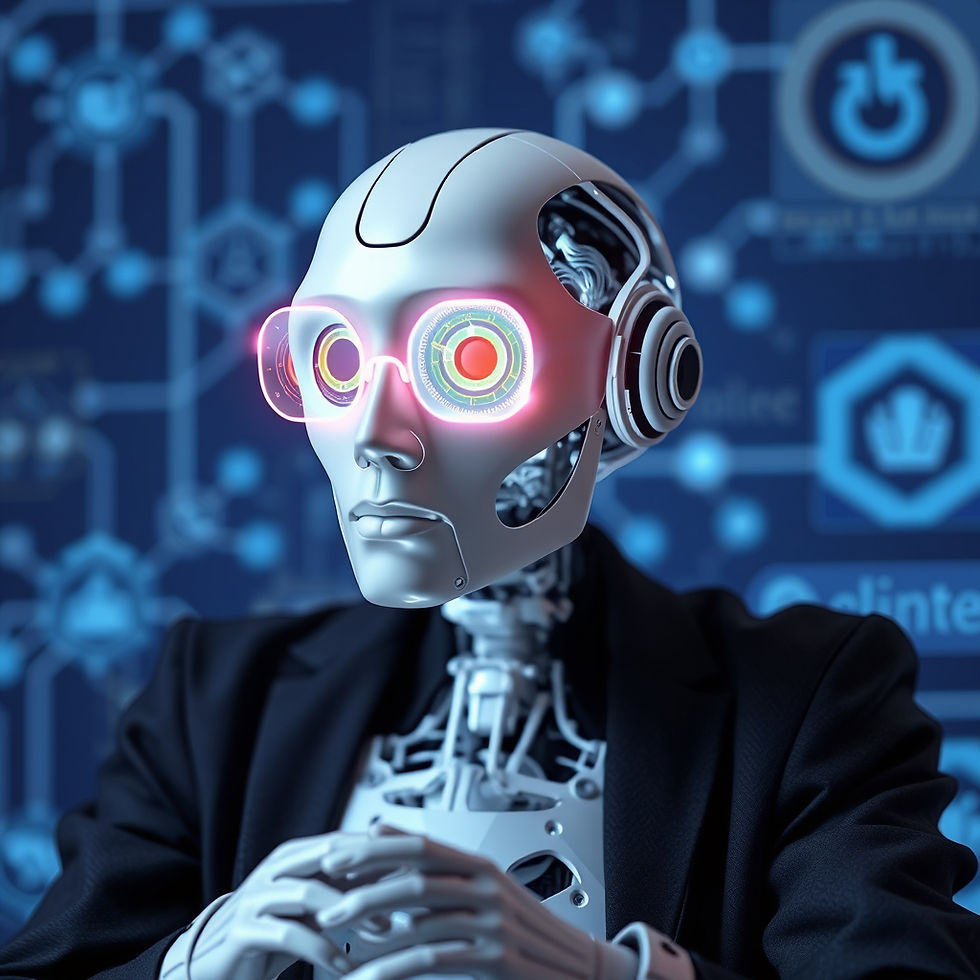
What artificial intelligence in education is
Artificial intelligence in education refers to the use of intelligent systems to support teaching and learning processes. These systems analyze student performance, behavior and progress to deliver more effective educational experiences.
AI adoption represents a structural shift in knowledge transmission.
How artificial intelligence in education works
Artificial intelligence in education operates through algorithms that monitor student interactions with digital platforms, identify learning gaps and adjust content in real time. Adaptive learning systems personalize exercises, assessments and study pace.
This approach enables targeted educational interventions.
Artificial intelligence in education and personalized learning
Personalized learning is a major benefit of artificial intelligence in education. Each student receives content aligned with their knowledge level, learning style and academic goals.
This model increases engagement and reduces learning gaps.
Artificial intelligence in education and the role of teachers
With artificial intelligence in education, the role of teachers evolves. Technology handles operational tasks such as grading and performance analysis, allowing educators to focus on mentorship, creativity and human development.
AI serves as a pedagogical support tool.
Artificial intelligence in education in institutional management
Institutions use artificial intelligence in education to improve academic management, predict dropout risks and design curricula. Data-driven insights enhance strategic decision-making.
Operational efficiency supports better educational outcomes.
Ethical challenges of artificial intelligence in education
Ethical challenges of artificial intelligence in education include student data privacy, algorithmic bias and system transparency. Children and young learners are particularly vulnerable to data misuse.
Strong governance is essential.
Artificial intelligence in education and access inequality
The expansion of artificial intelligence in education may increase inequality if access to technology remains uneven. Socioeconomic and regional disparities affect adoption rates.
Inclusive policies are critical.
Artificial intelligence in education and future-ready skills
Artificial intelligence in education helps prepare students for a changing job market. Skills such as critical thinking, collaboration and digital literacy become essential.
Learning with AI also means learning about AI.
The future of artificial intelligence in education
The future of artificial intelligence in education points to more flexible, personalized and lifelong learning environments. Technology will increasingly integrate formal education, professional training and continuous learning.
🇺🇸 EP15 – Artificial intelligence in education: personalized learning and ethical challenges


Comments