
🇺🇸 EP17 – Artificial intelligence in industry: smart factories and Industry 4.0

EnergyChannel Special Series | Artificial Intelligence: Everything We Need to Know
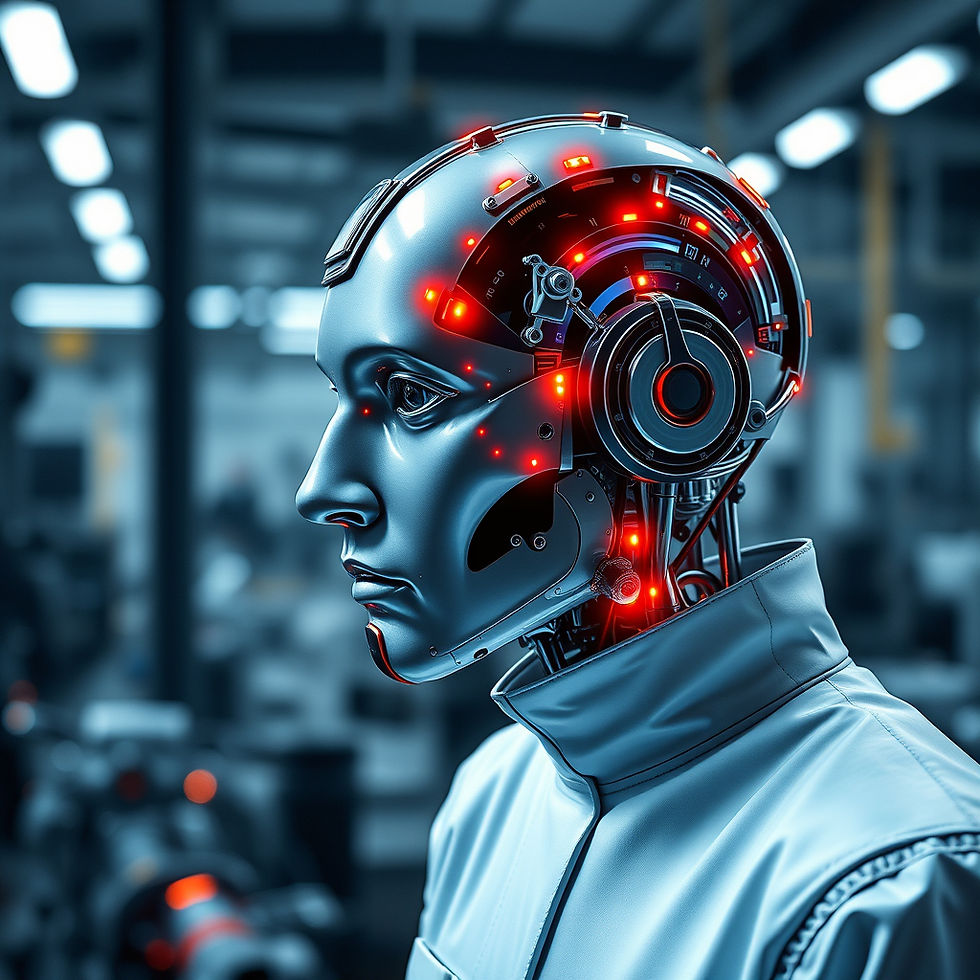
What artificial intelligence in industry is
Artificial intelligence in industry refers to the application of intelligent algorithms and systems across manufacturing processes, supply chains and industrial management. These systems enable machines to analyze data, make decisions and learn from operations.
AI is a core pillar of Industry 4.0.
How artificial intelligence in industry works
Artificial intelligence in industry operates through the integration of sensors, cyber-physical systems, the Internet of Things and data analytics platforms. Machine learning algorithms process real-time information to optimize operations and predict failures.
Decision-making becomes faster and more accurate.
Artificial intelligence in industry and smart factories
In smart factories, artificial intelligence in industry connects machines, production lines and management systems. Equipment communicates, self-adjusts parameters and operates with increased autonomy.
This model boosts productivity and flexibility.
Artificial intelligence in industry and predictive maintenance
Artificial intelligence in industry is widely used for predictive maintenance. Sensors monitor vibration, temperature and machine performance, enabling early fault detection.
This reduces downtime and maintenance costs.
Artificial intelligence in industry and quality control
In quality control, artificial intelligence in industry uses computer vision to detect product defects with high accuracy. Inspections that were once manual become automated.
Quality becomes more consistent and traceable.
Artificial intelligence in industry and energy efficiency
Artificial intelligence in industry supports energy efficiency by optimizing energy consumption, raw material use and resource management. Algorithms adjust processes to reduce waste and emissions.
Industrial sustainability becomes strategic.
Risks of artificial intelligence in industry
Despite its advantages, artificial intelligence in industry involves risks such as technological dependence, system failures, cybersecurity vulnerabilities and workforce impacts.
Risk management is essential.
Artificial intelligence in industry and workforce upskilling
The growth of artificial intelligence in industry requires new professional skills. Operators, engineers and managers must develop digital and analytical capabilities.
Upskilling is critical for industrial transformation.
The future of artificial intelligence in industry
The future of artificial intelligence in industry points toward increasingly autonomous, connected and adaptive factories. Human–machine collaboration will be key to innovation and competitiveness.
🇺🇸 EP17 – Artificial intelligence in industry: smart factories and Industry 4.0


Comments