
The Energy Transition Needs Women. And It Needs Them Now!
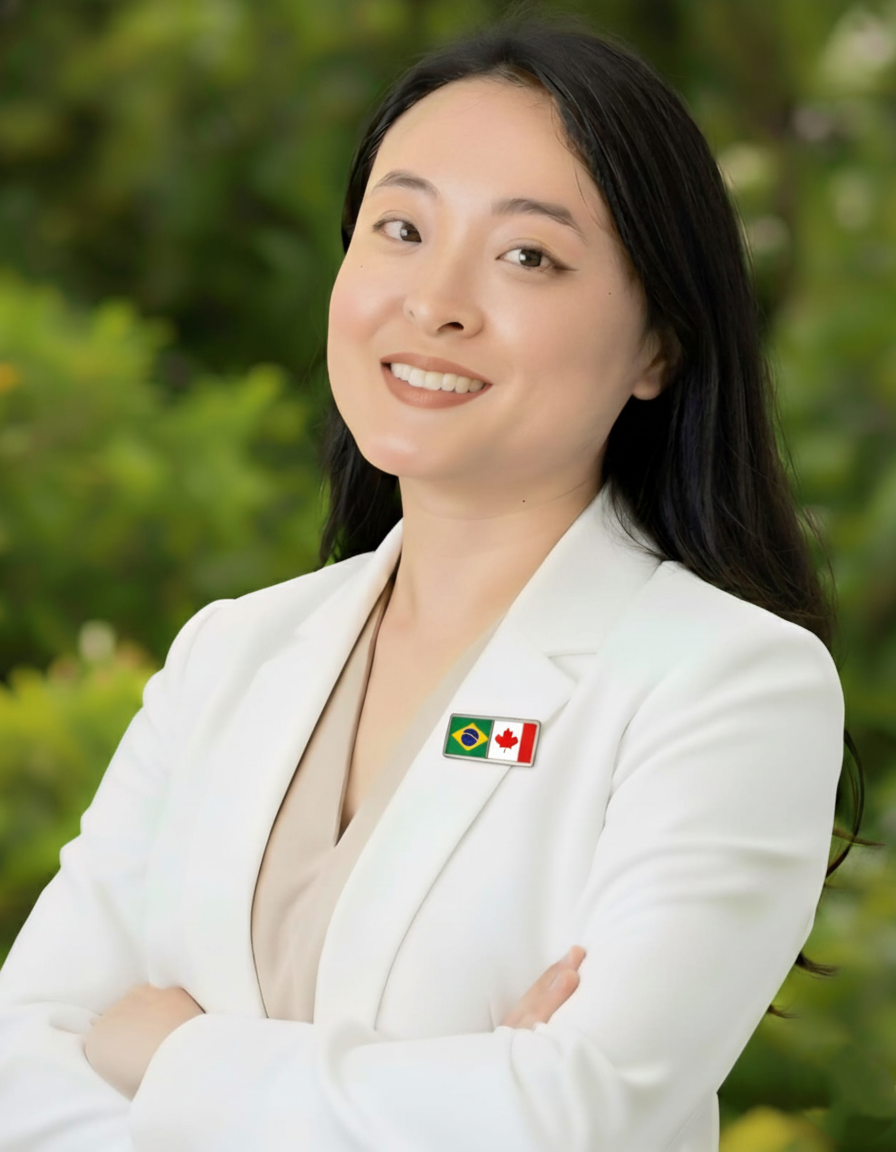
By Rosane Fukuoka
We all know that the energy transition is the only viable path for moving toward a low-carbon economy, with fewer fossil fuels and more clean and sustainable alternatives. But woven into this transformation is another journey that is just as urgent: expanding women’s presence in the energy sector, a space where we still remain a minority.

In Brazil, women account for only 20% of the electric power sector, according to the Women in the Electric Power Sectorsurvey conducted by ANEEL in 2023. In leadership positions, this figure drops to just 5.5%. These numbers reveal not only a major challenge, but also a waste of the transformative potential women have to contribute to a more diverse, innovative, and sustainable sector. It was from this understanding that I began to dedicate myself not only to energy efficiency in my career, but also to the efficiency of human relationships within this ecosystem.
The Birth of the WEE Network
In 2023, building on the women’s network at Mitsidi and with the support of the PotencializEE Program an initiative that promotes energy efficiency in small and medium-sized industries in São Paulo, led by the Ministry of Mines and Energy and coordinated by GIZ in partnership with SENAI-SP we created the Women for Energy and Efficiency (WEE) network.
WEE was founded with the purpose of connecting, strengthening, and empowering women who work (or wish to work) in the fields of energy and energy efficiency. It is a space for exchange, learning, and mutual support. Today, the network brings together around 170 women from different regions of Brazil: engineers, architects, economists, lawyers, environmental managers, researchers, and students all united by a commitment to building a more inclusive and equitable sector.
During the pandemic, the network consolidated organically through weekly virtual meetings to share personal journeys and challenges. Now, we are moving forward with new mentoring programs, in-person gatherings, and training focused on self-awareness, leadership, and the development of essential skills so that more women can occupy strategic positions in the energy sector.
Female entrepreneurship has also been gaining strength in this transition. An inspiring example is the Eletricistas do Sol(“Solar Electricians”) course, carried out by the Saúde e Alegria Project (PSA) with support from the Climate and Society Institute (iCS). The initiative exclusively trains women to maintain solar photovoltaic systems in communities, Indigenous villages, and quilombola territories in the Amazon, expanding autonomy, generating income, and bringing clean energy to previously vulnerable regions.
A Network Across Latin America
Recently, I was one of the Brazilian participants in the Women’s Leadership for a Just, Inclusive, and Resilient Energy Transition course, held in Bogotá, Colombia. It was three intense days alongside more than 50 women leaders from Latin America and the Caribbean representatives of ministries, universities, civil society organizations, and traditional communities.
It was deeply inspiring to hear Indigenous, Black, and fishing community women share their knowledge, local solutions, and perspectives for a truly inclusive energy transition. Understanding that clean energy also involves respect for ancestry, the care economy, and the strengthening of communities was one of the most meaningful lessons of this experience.
A strong sense of belonging is what remains. We know we are not alone in this struggle and that we can rely on the support of an international network of women and sector institutions. We returned home strengthened as agents of transformation and responsible for disseminating knowledge across different countries and stages of the energy transition.
The Power of Women’s Networks
The dialogues with all these women make it clear that, although realities vary, the challenges are similar and that solutions lie in collaboration. Women’s networks, such as WEE, demonstrate how unity among women amplifies leadership, expands perspectives, creates opportunities, and accelerates structural change.
Our next step is to legally formalize the network, strengthen partnerships, and multiply initiatives focused on training and female leadership in the energy sector. We want more and more women to feel prepared and confident to occupy decision-making positions, contributing sustainable solutions that take the human factor into account.
From the sum of these experiences, I carry a strong conviction: the energy transition must also be a transition of values. Including more women means democratizing knowledge, reducing inequalities, and expanding the positive impact of decarbonization policies. Energy efficiency is only complete when it also includes the efficiency of diversity.
That is why the invitation remains open: may more women connect, learn, and transform together. Because by strengthening networks, we strengthen the future.

Rosane Fukuoka is Technical Director at Mitsidi and founder of the Women for Energy and Efficiency (WEE) network.
The Energy Transition Needs Women. And It Needs Them Now!

Comments